
People, not procedures
We ask for personal experience: why someone joined, what a shop felt like, who taught them the culture, and how the work shaped a life. We do not collect tactics, render-safe methods, or device details.
An independent history project
This project collects and preserves personal stories from Air Force Explosive Ordnance Disposal technicians and veterans, AFSC 3E8X1 — the people behind one of the service’s most demanding career fields.
In October 2026, the Air Force authorized a distinctive rust-colored beret as visible recognition for the EOD community. Rust is the color long associated with explosive hazards. This archive exists to honor the human story behind that identity: training, culture, humor, teammates, family, and life after service — told carefully, and only after review.
The badge
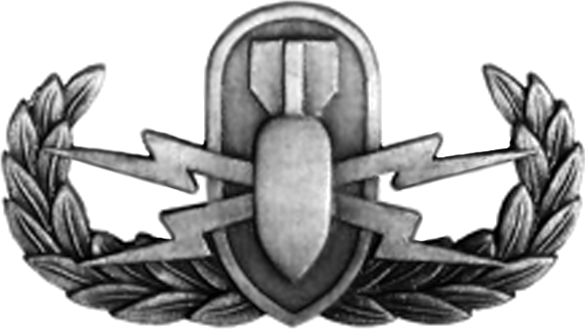
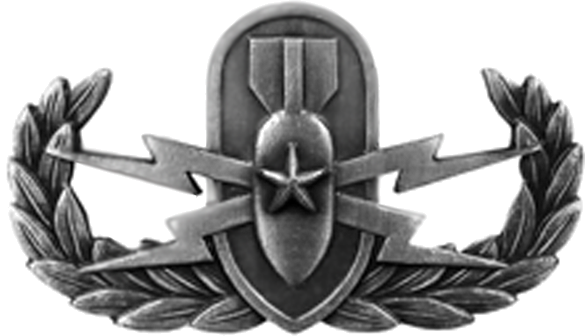
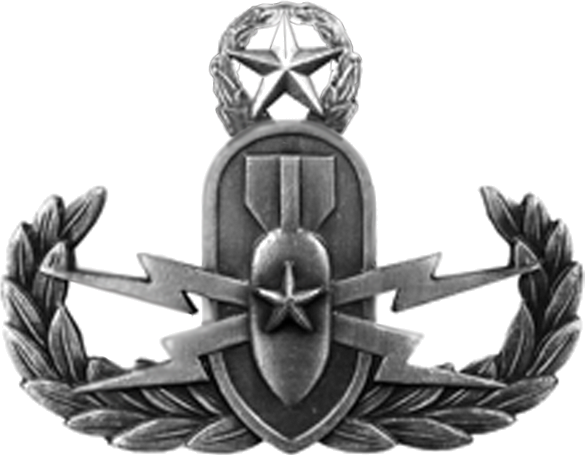
The Explosive Ordnance Disposal Badge — often called the “crab” — is issued in three degrees, Basic, Senior, and Master, and is worn by EOD technicians in the Army, Marine Corps, Navy, and Air Force. The wreath, bomb, lightning flashes, and shield mark the duty to reduce explosive hazards and protect people and property. The Senior badge adds a star on the bomb; the Master badge adds a star in a wreath above the shield.
Badge images are U.S. government insignia via Wikimedia Commons and are in the public domain. This site is not official and is not endorsed by the U.S. Air Force or the Department of Defense.
The work of memory
We ask for personal experience: why someone joined, what a shop felt like, who taught them the culture, and how the work shaped a life. We do not collect tactics, render-safe methods, or device details.
Every story is reviewed for operations security and personal privacy, then approved by the contributor, before it is published. Safety and consent come before a vivid anecdote.
Technicians, veterans, and — with care — family members are invited to take part in writing, audio, or video. Participation is voluntary, and anonymity is an option.
Podcast
Be a podcast guest. We also record audio or video conversations, remotely or in person, in a podcast format. Every episode is reviewed for operations security before release. Guests can review the edited version before it is published and may stay anonymous or use a nickname or callsign. Request a podcast interview.
A call for stories
The public record often describes the mission. It less often records the voice of the person who lived it: the first shop, the long night, the humor that kept a team human, the homecoming, the advice someone needed later.
If you served in Air Force EOD, or you are a family member with a story the contributor wants told, you are invited to share it. You may write, sit for an interview, or both. You will see the edited version before anything is posted.